


It’s an annual conversation in my school district whether to once again raise property taxes to pay for the schools’ latest project. Taxpayers have funded a new sports stadium, ongoing building repairs for unneeded classrooms, and education technology I didn’t even have in my college courses.
But with a nearly 50% increase in average real school spending across the U.S. since 1990—almost $6,000 per student—it’s clear that my district isn’t the only one spending more.
The traditional argument is that for student outcomes to improve, schools need improved funding. However, when spending has increased by 50% and test scores have remained stagnant or declined, it’s clear that factors other than funding are at play.
Nationally, the average public school spends $17,277 per student each year, and teachers unions have campaigned for additional spending to raise teacher salaries and reduce class sizes. But in practice, these funds aren’t going to teachers. Instead, they’re going to an entirely different set of priorities. According to Department of Education data, as the U.S. student body increased by 0.27% from 2010 to 2022, the number of teachers increased by 4.2%. But the number of district administrators increased by a whopping 29%, and support staff grew 10%.
Hiring additional administrators might not seem like a problem, but the extra staffing often creates a burden for educators, hamstringing classroom teachers with red tape, radical politics, and bureaucracy, as many teachers have told IW Features.
However, additional support staff are generally favored by teachers. One study from the National Education Association, America’s largest teachers union, found that teachers valued the assistance of a full-time support staff member as much as a 21% pay raise.
In theory, then, not only should the additional classroom assistance yield better educational outcomes, but it should also placate teachers’ desires for greater pay. In practice, however, this has evidently not been the case.
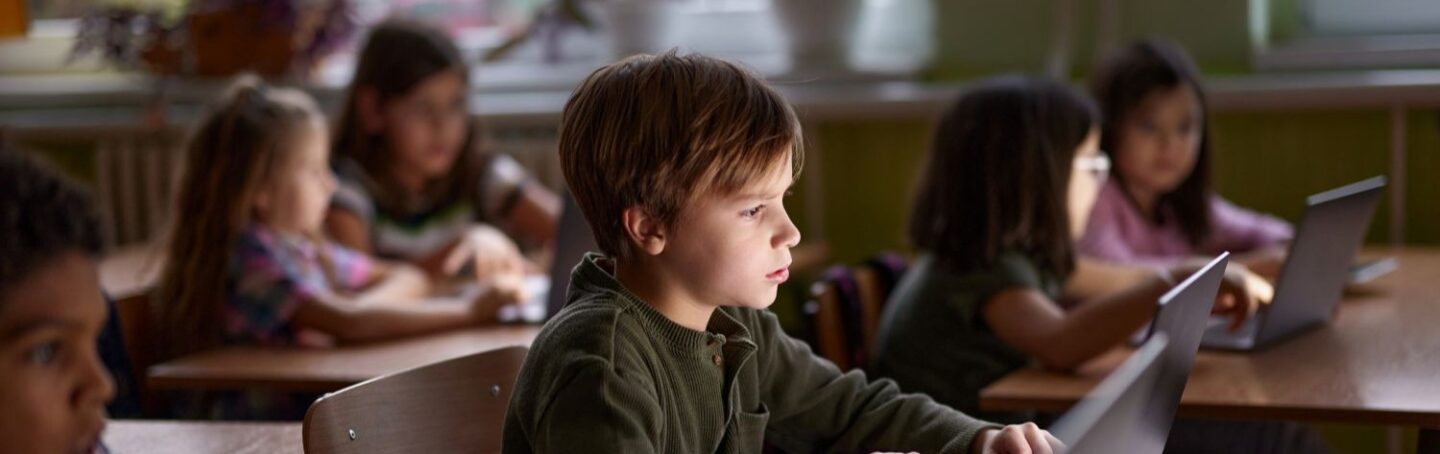
Technology is another driver of school spending. Each year, American schools spend billions of dollars on hardware, software, and network support. While proficiency in modern technology is certainly an important element of society today, the evidence is mixed on the benefits of classroom technology for learners. Of course, older students need familiarity with the technology they will use in their future jobs and educational pursuits, but for elementary school students, do the foundations of education—the reading, writing, math, and science skills children have learned for decades—necessitate new technology to teach?
The sticker shock for this spending is apparent when comparing public per pupil spending to private per pupil spending. Nationally, the average private school costs $12,790 per student annually. That’s nearly $4,500 less than the average public school spends per pupil.
Yet, despite the lower cost, many studies suggest that student outcomes in private schools are superior: private schools produce students who score higher on national exams, possess greater civics knowledge, and are even less likely to end up divorced.
The role of socio-economic factors in many of these studies is unknown since privately educated students may come from better economic backgrounds or may have greater familial support. However, even while criticizing private education, the NEA has said that private schools offer similar educational outcomes to public schools when adjusted for socio-economic factors. This is despite the funding gap between public and private institutions.
Clearly, educational outcomes are not entirely dependent on funding. More money spent does not equal a better education, and more funding does not necessarily fund teachers’ salaries. Schools are using tax dollars on projects that do not meaningfully contribute to student success.Taxpayers should know that their hard-earned money is funding lackluster projects and bureaucracy that often hampers educators, not funding classroom teachers themselves. But when the bureaucrats and union executives—not hands-on educators—have the loudest voices, it’s no wonder that education funding has become dysfunctional. So, when districts ask for additional funding, the question should be asked, “Funding for what?”